A good trip begins long before the first boot touches dirt. It begins at the kitchen table, with a map spread flat, a weather forecast open, a half-packed bag nearby, and enough humility to ask what could change between the trailhead and the return. Outdoor skill is not about carrying every object that might be useful. It is about knowing which few decisions matter most, then making those decisions with clear numbers and a calm mind.
This guidebook is built for that kind of preparation. The calculators gathered here help you test pack weight, food needs, water carry, elevation pace, daylight, equipment costs, and emergency margins. Use them as working notes, not as commands. A calculator can estimate how many liters of water a steep hike may require, but it cannot see the exposed ridge, the tired friend, the late start, or the cloud building over the pass. Your judgment still leads. The numbers simply make that judgment sharper.
Think of planning as a conversation between ambition and conditions. Ambition says where you want to go. Conditions answer with distance, grade, heat, cold, wind, snow, road access, group fitness, and the awkward truth that tired people make worse decisions. The safest plans leave room for the conversation to change. A shorter route with a wide safety margin often creates a better memory than a heroic itinerary that becomes a forced march.
Packing for Success
Packing is the first place where an outdoor plan becomes honest. A route can look easy on a map until the pack reaches your shoulders. Every extra item has a vote in how your knees feel, how quickly you move, how much water you need, and how much patience remains when the trail turns rocky. The goal is not to pack as little as possible. The goal is to carry what the trip truly asks for, without letting fear, habit, or optimism fill the empty space.
Start with the essentials that protect life and mobility: insulation, rain protection, navigation, light, first aid, fire or stove, water treatment, food, repair items, and a way to communicate or signal. Then add comfort items deliberately. A camp chair may be worth every ounce on a relaxed basecamp weekend and absurd on a long climb. A heavy camera lens may be the point of a photography hike and dead weight on a fast ridge traverse. Value depends on the trip.
Pack weight is best considered in layers. Base weight covers the gear that does not change much from day to day. Consumables include food, fuel, and water, which are heavy at the start and lighter later. Worn weight includes shoes, clothing, and trekking poles. Many beginners obsess over a single lightweight purchase while ignoring a liter of unnecessary water, duplicate clothing, or food packed without a meal plan. Weighing categories separately makes the tradeoffs visible.
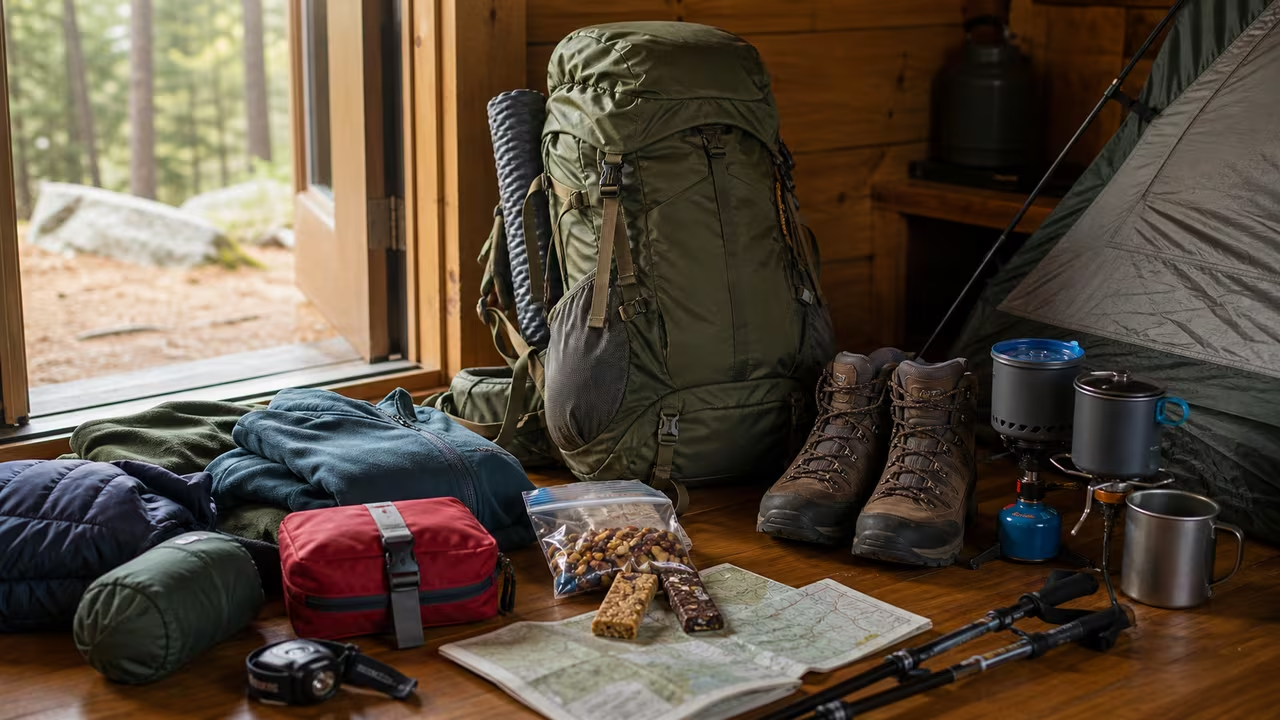
Before a serious trip, do a full pack rehearsal. Load the bag with the food and water you expect to carry, then walk a few miles with hills or stairs. Adjust shoulder straps, hip belt, and load lifters until the weight sits on your hips rather than hanging from your neck. If something rubs at mile two, it will not become kinder at mile twelve. If you cannot find your rain shell quickly at home, you will not find it faster in a squall.
Adventure Gear Weight Planner
Total up pack weight to stay within safe carrying limits.
Outdoor Gear Rental vs Purchase Calculator
Compare renting equipment to buying your own before big trips.
Climbing Gear Replacement Calculator
Know when ropes and harnesses need replacing for safety.
Trail Planning
Trail planning is more than choosing a destination. It is the art of matching a route to the people who will walk it on a specific day. Mileage is only the headline. Elevation gain, surface quality, heat, altitude, stream crossings, exposure, navigation complexity, and the weakest member of the group all matter. A ten-mile valley walk and a ten-mile climb over loose talus are not cousins. They merely share a number.
Build the day around turnaround logic. Decide when you need to be back, then work backward through sunset, drive time, likely pace, rest breaks, photo stops, water refills, and the slowest climb. Add a buffer before you need it. If the plan requires everyone to move at their best pace all day, the plan is already fragile. Strong outdoor travelers are often distinguished not by speed, but by how early they notice that the day is slipping.
Maps deserve close reading. Look for places where the trail crosses drainages, leaves tree cover, follows a ridge, passes through avalanche terrain, or enters a confusing junction network. Check whether the route has bail-out options and whether those exits are truly useful. A side trail that drops to a road is valuable only if the road is accessible, legal, and not twenty miles from the car.
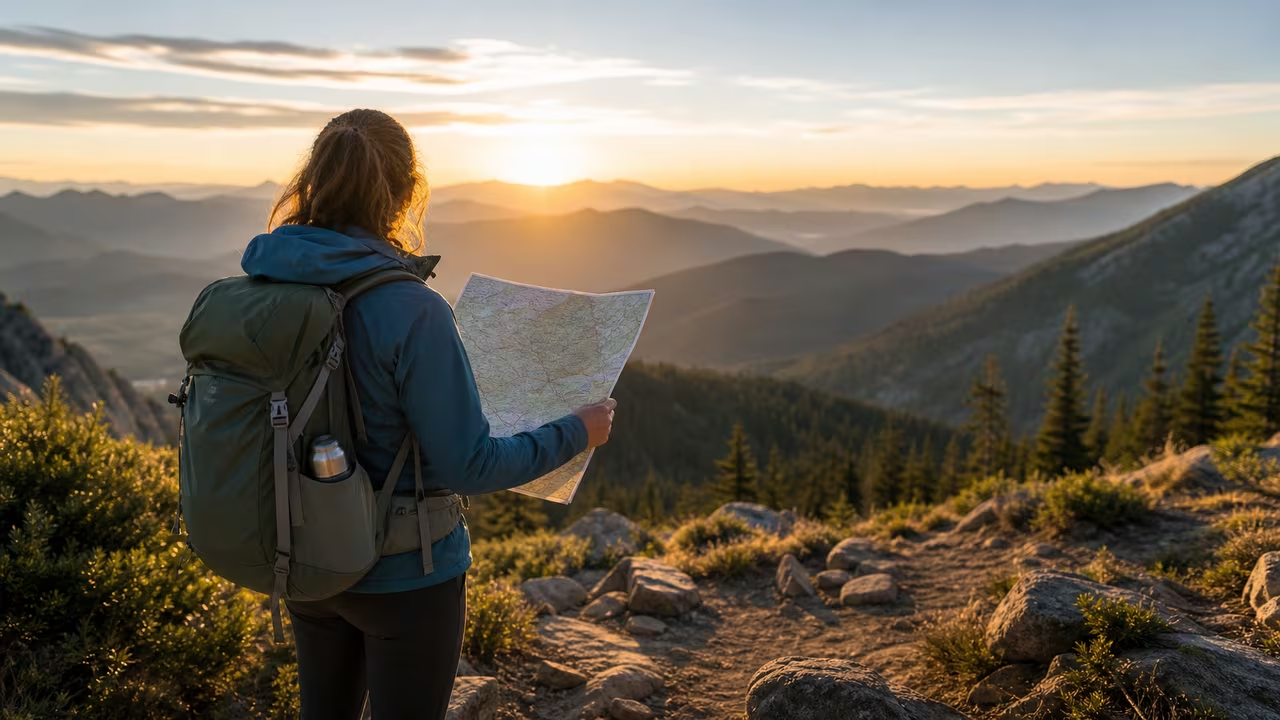
Digital maps are powerful, but they should not be your only plan. Download offline maps before leaving service, carry enough battery to keep them alive, and bring a backup that does not depend on a screen. Learn the shape of the terrain before the trip so you can recognize it when tired. The best navigation aid is not a device. It is a mind that already knows the ridgeline should be on the left, the creek should be below, and the trail should not be climbing toward the wrong pass.
Hiking Trail Elevation Gain Rate Calculator
Estimate how steep inclines will slow your travel time.
Camping Food Planner Calculator
Plan meals by calorie needs so you carry just enough supplies.
Adventure Gear Weight Planner
Recheck pack load after food and water are added.
Food, Water, and Camp Routines
Food planning is where many outdoor trips become either generous or punishing. Too little food makes people quiet, irritable, slow, and bad at risk assessment. Too much food turns into a heavy pack and a guilty carry home. The useful middle ground starts with the day itself. A cool stroll on a shaded trail does not ask the same fuel as a hot climb with a loaded pack. Add appetite, altitude, group size, cooking time, and the chance that weather may keep everyone in camp longer than expected.
Build menus from moments, not just meals. Think about the snack you can eat while walking, the lunch that does not require a stove in wind, the warm drink that changes morale after rain, and the dinner that can be cooked when fingers are cold and patience is low. A beautiful camp meal has its place, especially on short trips, but the best trail food is often simple, dense, familiar, and easy to manage with one pot and a tired brain.
Water deserves the same attention. Carrying every possible liter is heavy. Trusting every blue line on a map is naive. Check recent conditions, seasonal reports, snowpack, drought, cattle use, fire closures, and whether water sources are flowing or merely drawn on paper. Plan each stretch between reliable sources, then add a reserve for heat, delay, cooking, and helping someone else. When the route is dry, water weight becomes the main architecture of the trip.
Every group should carry redundant water treatment. Filters clog, chemical drops freeze or expire, ultraviolet purifiers need batteries, and clear mountain streams can still carry organisms that make the next week miserable. Redundancy does not need to be heavy. A primary filter plus tablets, a stove for boiling, or a small backup squeeze filter can turn an inconvenience into a short pause. Test the system at home, where a missing gasket is merely annoying.
Camp routines should be calm enough to follow in poor conditions. Decide where the kitchen belongs before everyone scatters. Keep food, scented items, and trash secured according to local rules. In bear country, that may mean approved canisters, lockers, or a proper hang where allowed. In desert, it may mean defending food from rodents and ravens with equal seriousness. Wash dishes away from water sources, strain scraps into trash, and scatter wastewater only where regulations allow it.
Cooking at elevation can surprise new campers because water boils at a lower temperature. Food may take longer, fuel estimates may be optimistic, and a dinner that works at home may stay stubbornly crunchy at camp. Test meals before relying on them. Repack bulky foods, label portions, and keep one emergency meal that requires little cooking. The finest luxury on a hard trip is often not a gadget. It is knowing dinner will be easy.
Hiking Calorie Burn Calculator
Estimate energy use so snacks and meals match the route.
Hiking Water Requirement Calculator
Plan water carry for heat, distance, elevation, and effort.
High Altitude Cooking Time Adjuster
Adjust camp meals when elevation changes boiling and simmering.
Logistics & Budgeting
Adventure spending has a way of hiding in small compartments: gas, park passes, permits, shuttle fees, campground reservations, freeze-dried meals, stove fuel, replacement socks, batteries, insurance, and the cafe meal that feels nonnegotiable after the trip. None of these costs is mysterious by itself. Together they can turn a casual weekend into a surprise bill. A good budget lets the trip feel free while keeping the bank account grounded.
Separate one-time gear purchases from trip costs. A tent used for six years belongs in a different mental column than a single night of lodging. Renting can make sense for specialized items, growing children, first attempts at a new activity, and gear that would otherwise sit in a closet. Buying makes more sense for items you use often, items that must fit precisely, and safety equipment whose history matters.
Transportation is often the largest variable. A trail that is free to hike can still be expensive if it requires a long drive, high-clearance vehicle, ferry, shuttle, or overnight stay near the trailhead. For group trips, settle cost-sharing expectations early. Fuel, campsite fees, food, and rental equipment should not become awkward math in the parking lot after everyone is tired.
Camper Van Conversion Budget Calculator
Create a realistic spending plan for turning a van into a cozy basecamp.
Travel Itinerary Budget Planner
Forecast trip expenses day by day to avoid financial surprises.
Travel Insurance Cost Calculator
See how policy options affect peace of mind on the road.
Safety and Survival Skills
Safety is not a mood of anxiety. It is a set of quiet habits that make room for wonder. The mountain, desert, forest, and shore do not care whether a plan was convenient. Weather turns, ankles roll, batteries die, trails vanish under snow, and groups move at human speeds. Preparedness is the practice of making those events manageable instead of catastrophic.
Begin with communication. Leave a trip plan with someone reliable: route, trailhead, expected return time, vehicle description, group names, and the time at which they should call for help. In remote areas, consider a satellite messenger or personal locator beacon. These tools are not a substitute for judgment, but they reduce the penalty for bad luck when self-rescue is not realistic.
First aid knowledge matters more than a stuffed kit. Carry supplies you understand: blister care, elastic wrap, wound cleaning, bandages, pain relief, allergy medication if needed, and any personal prescriptions. Practice taping hot spots before they become blisters. Learn the signs of heat illness, hypothermia, dehydration, altitude sickness, and shock. In winter or avalanche terrain, take formal training and do not let a calculator replace a forecast, a beacon check, and conservative terrain choices.
Avalanche Risk Calculator
Check slope conditions before traversing snowy areas.
Wildfire Evacuation Route Planner
Identify safe exits if smoke or flames approach.
Storm Preparedness Supplies Calculator
Ensure you have enough food, light and shelter supplies.
Group Leadership and Turnaround Decisions
The hardest outdoor decisions are rarely technical. They are social. A storm is obvious once it arrives. A loose rock is visible once it moves. A tired group, however, often hides its condition behind politeness. People say they are fine because they do not want to be the reason the plan changes. Good leadership creates permission to speak before discomfort becomes danger.
Begin the trip by naming the decision points. Set a turnaround time, identify places where the group will stop and reassess, and make it clear that changing the plan is normal. This protects the person who notices a problem first. It also protects the group from summit fever, sunk cost, and the strange bargaining that begins when a goal is close enough to see but conditions are moving the wrong way.
Assign simple roles without making the trip feel formal. Someone watches pace. Someone checks the map. Someone notices weather. Someone stays near the back. In small groups the same person may hold more than one role, but saying the duties out loud keeps responsibility from evaporating. Rotate leadership when appropriate so the strongest hiker is not always pulling away at the front while the quietest person struggles behind.
Pace is an ethical choice on group trips. The right pace is not the speed of the fastest member slowed slightly. It is the speed at which the whole group can make sound decisions for the whole day. Watch for small signals: stumbling, repeated stops to adjust shoes, silence from a normally talkative person, missed snacks, sloppy foot placement, or jokes that become sharp. These signs often appear before anyone admits trouble.
Children, newcomers, and guests need special care because they may not know which discomfort is normal and which is a warning. Explain the plan in plain language. Ask specific questions rather than asking whether everyone is okay. Feet dry? Hands warm? Stomach settled? Enough water left? Still having fun? The answers will be better than a general nod. A memorable first trip can make a lifelong outdoor person. A miserable one can close the door for years.
Turning around should feel like competent travel, not failure. A missed viewpoint, a closed pass, or a shortened loop is a small price for returning with trust intact. The woods and mountains are patient. Most routes remain where they are. People remember how a group handled uncertainty long after they forget whether the original objective was reached.
Hiking Time Calculator
Estimate travel time before committing to a route objective.
Altitude Sickness Risk Calculator
Check acclimatization risk before climbing higher with a group.
Lightning Strike Probability Calculator
Think through storm exposure when deciding whether to continue.
Reading Weather and Terrain
Weather is not background scenery. It is one of the main characters in every outdoor story. A forecast gives useful probabilities, but the sky gives updates. Clouds building vertically, wind shifting direction, humidity rising, distant thunder, sudden temperature drops, and smoke on the horizon all deserve attention. The earlier you notice change, the more graceful your options remain.
Match weather interpretation to terrain. Lightning risk is different above treeline than in a low forest. Heat is harsher in exposed rock and sand than along shaded creeks. Wind can turn a pleasant ridge into a balance problem, a lake crossing into a hazard, or a cold drizzle into a hypothermia setup. Snow bridges, wet slabs, loose scree, swollen streams, and muddy roads can change the difficulty of a route even when the mileage stays fixed.
Daylight is the most reliable weather-adjacent constraint because it can be known in advance. Plan around usable light, not just official sunset. Forested trails darken early. Canyons lose light before the sky does. Navigation mistakes multiply after dusk, especially when people hurry. A headlamp belongs in the pack even for day hikes, but needing it should be a planned possibility rather than the only way home.
Sunrise Sunset Calculator
Plan hikes around daylight hours for safer travel.
Lightning Distance Calculator
Gauge how close storms are when thunder rumbles.
Crosswind Component Calculator
See how gusts might affect paddling or cycling routes.
Training and Conditioning
Fitness for the outdoors is wonderfully specific. A person can run fast on pavement and still struggle under a loaded pack. Another can lift heavy weights and still find long descents punishing. Trails ask for aerobic capacity, leg strength, balance, foot toughness, heat tolerance, and the small stabilizing muscles that wake up on uneven ground. Training works best when it resembles the demand.
Build gradually. Increase distance, elevation, pack weight, or heat exposure one at a time rather than all at once. Use local hills, stairs, neighborhood walks with a loaded pack, or weekend hikes to prepare the body for the real trip. Downhill conditioning deserves special attention because many injuries happen when people are tired and descending. Trekking poles, shorter steps, and stronger hips can make the end of the day much kinder.
Hydration and fueling are part of conditioning, not afterthoughts. Practice eating on the move before the big day, especially if altitude, heat, or nerves reduce appetite. Learn which snacks sit well, how much water you actually drink per hour, and when electrolytes help. The right plan is personal. Some hikers drink constantly and eat lightly. Others need scheduled food to avoid fading. Testing this close to home prevents guesswork far from help.
Target Heart Rate Calculator
Set optimal heart rate zones for efficient training.
Hiking Water Requirement Calculator
Estimate water needs for challenging ascents.
Virtual Marathon Training Pacer
Build endurance gradually with a paced schedule.
Field Practice Before the Big Trip
Outdoor skill grows fastest when practice is small, deliberate, and a little inconvenient. Set up the tent in wind at a local park. Cook a camp meal on the stove before relying on it miles from the car. Walk in the rain long enough to learn whether the jacket vents well or turns into a private greenhouse. Filter cloudy water from a legal source and time how long the process actually takes. A driveway rehearsal is not romantic, but it can prevent a wet, hungry argument later.
Navigation practice is especially valuable. Choose a familiar trail and follow it with the map first, checking the phone only after making your own guess. Learn how distance feels on flat ground, on a climb, and at the end of a long day. Notice how terrain features stack together: spur, drainage, saddle, ridge, meadow, road. The more patterns you recognize in safe settings, the less likely you are to outsource your attention to a battery.
Practice small repairs. Replace a stove canister, patch a sleeping pad, splint a trekking pole with tape, sew a torn strap, clean a water filter, and rig a shelter guyline with cold hands. None of these tasks is difficult in good light on a table. All of them become more demanding when the ground is wet, the air is cold, and everyone is waiting. Repetition turns repair from a crisis into a chore.
Finally, practice after-action learning. When a trip ends, ask three questions before memory softens the details. What worked? What was unused? What would we change next time? Write the answers in the notes app, on the map, or in the gear bin. Over time, those notes become better than any generic checklist because they describe your climate, your routes, your feet, your appetite, your group, and your honest habits.
Water Filter Replacement Planner
Track filter life before flow rate problems appear on trail.
Refillable Camping Fuel Canister vs Disposable Cost Calculator
Compare stove fuel choices for repeated camping seasons.
Camping Cooler vs Electric Fridge Cost Calculator
Choose the right cold-storage setup for car camping and basecamp trips.
Environmental Stewardship
Outdoor places are not just scenery for our plans. They are living systems with soils, water, plants, wildlife, and local communities that absorb the consequences of our choices. Stewardship begins with the simple discipline of noticing impact. Where do people step when the trail is muddy? Where does dishwater go? What happens to food crumbs, fruit peels, fishing line, dog waste, campfire scars, and the shortcut that looks harmless because others have already taken it?
Low-impact travel is often a matter of staying small. Walk on durable surfaces, keep groups compact, camp where camping is allowed and resilient, store food securely, and give animals enough distance to remain wild. Pack out what you pack in, including the scraps that feel natural but do not belong in that place. A banana peel at a city compost pile is different from a banana peel beside an alpine lake.
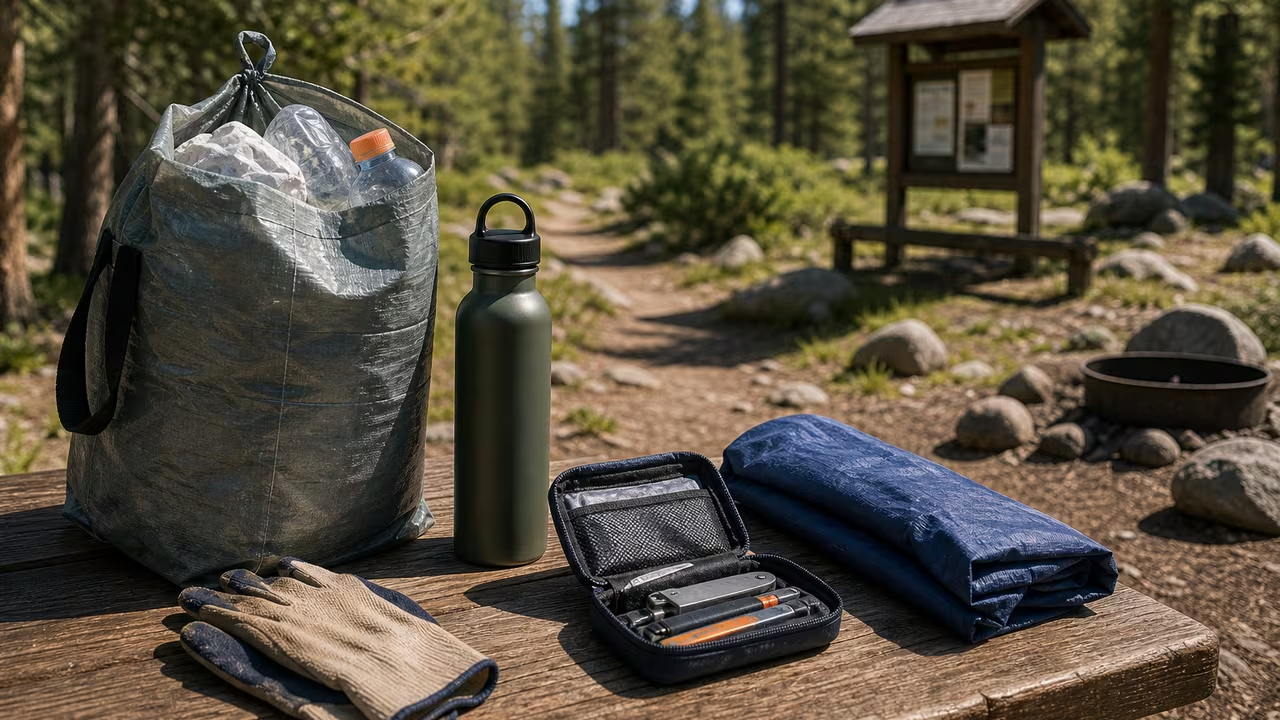
Carbon, waste, and gear consumption also belong in the conversation. The lightest footprint may be a local trip, a shared ride, a repaired jacket, borrowed equipment, or a route reached by transit. Not every adventure has to be optimized for distance or novelty. Repeated visits to nearby places deepen knowledge and reduce friction. You begin to notice the first wildflowers, the seasonal water levels, the exposed switchback that erodes after storms, and the quiet satisfaction of belonging to a place well enough to care for it.
Personal Carbon Allowance Planner
Offset travel emissions to protect fragile habitats.
Green Event Waste Audit Calculator
Reduce trash output on group trips and expeditions.
Forest Carbon Sequestration Calculator
Measure how reforestation projects absorb carbon.
Maintaining Essential Equipment
Gear maintenance is a form of memory. Every scrape on a pot, patched jacket, sharpened knife, replaced buckle, and dried tent records a lesson from a previous trip. Caring for equipment saves money, but it also preserves trust. When rain begins at midnight, you want to know the shelter was dried properly, the seams were checked, and the stakes are still in the bag.
Create a post-trip routine while the details are fresh. Dry tents and sleeping bags fully before storage. Clean mud from boots and inspect soles. Refill first aid supplies. Recharge batteries and power banks. Wash filters according to their instructions. Air out packs. Note what was unused, what was missing, and what failed. The next trip becomes easier when the last trip is processed rather than shoved into a closet.
Retire safety gear on schedule. Climbing ropes, harnesses, helmets, water filters, stove parts, avalanche gear, and bike components all have limits. Some limits are based on age, some on wear, and some on incidents. A helmet that took a hard impact has already done its job. A rope with unknown history is not a bargain. Saving money is wise until it starts borrowing from the safety margin.
Gear Ratio Calculator
Tune bikes and reels to match terrain demands.
Boiling Point Altitude Calculator
Adjust cooking methods when camping at elevation.
Climbing Gear Replacement Calculator
Set schedules for replacing worn ropes and hardware.
The reward for careful planning is not a sterile trip. It is the opposite. When the pack is reasonable, the route is understood, the food is enough, the weather has been respected, and the exit plan is clear, attention is free to return to the reason you went outside in the first place. You notice the smell of sun-warmed pine, the change in stone underfoot, the sudden silence after wind drops, the pleasure of a simple meal at camp, and the good tiredness that follows a day honestly spent.
The best outdoor travelers are not the ones who make the wilderness feel conquered. They are the ones who move through it awake. They notice when the group needs shade, when a creek crossing is stronger than expected, when the planned campsite is too fragile, when the clouds have started to mean something, and when ambition should step aside for care. That attentiveness is a craft, and every trip gives it another edge.
Use these calculators as companions to that attention. Let them reveal where the plan is thin, where the weight is excessive, where the daylight is tight, and where the budget needs room. Then step outside with skill, curiosity, and enough margin to come home with a story you would gladly repeat.